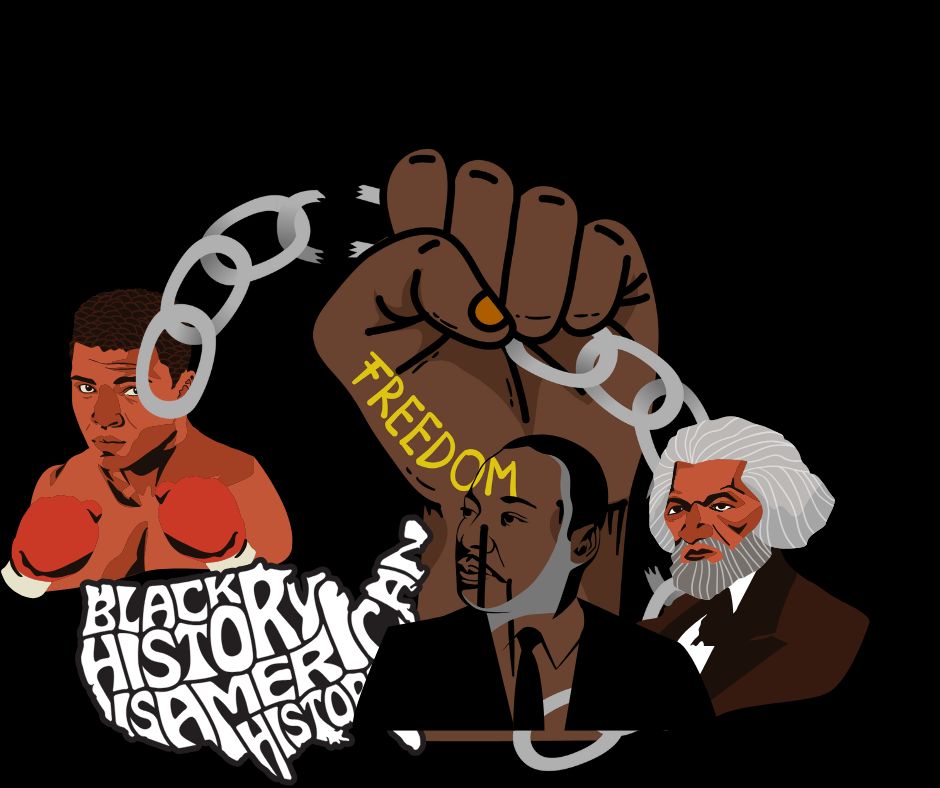
It’s a little known fact that the terms “African” and “Black” were first utilized as a collective for an ethnic group by African Americans, or ethnic Black Americans, centuries before the terms were used by continental African people. The narrative is rarely discussed but it unlocks a very important part of history that showcases the very different perspectives within cultures that exist between those whose forefathers were enslaved and became cofounders of the world’s superpower versus those who were left to maintain the African continent.
Before colonization, people who were indigenous to the vast continent we now know as Africa identified by their ethnic groups, religion, language and/or kingdom. They didn’t identify by the landmass, or continent, they occupied, so the idea of being an “African” was not an identity.
In fact, it was Europeans travelers/geographers who expanded the name Africa from solely meaning North Africa (Africa terra), which was first given by Romans, to the entire continent. This took place during the 15th and 19th centuries during the TransAtlantic Slave Trade. Europeans didn’t care about ethnic groups of the indigenous people of the landmass, so they wholly ignored them unless it gave them an advantage through division. In the Eurocentric view, all were African.
It was after enslaved Africans who were taken from various parts of Africa, were moved to the North America, where the enslaved Africans began to consider themselves African in order to build a new identity as one people. This was unlike their immediate forefathers who still considered their various ethnic groups. Enslaved Africans were under extreme pressures of slavery while enduring a uniquely shared bond as well as bondage that those on the continent didn’t share. Therefore, enslaved Africans in the United States became one people. Continental Africans at this particular point between the 1400s and mid 1800s didn’t have to choose to become one people.
It was only during colonialism on the African continent, which took place at the same time as the Berlin Conference when Europeans took control of Africa and created modern-day countries, that the indigenous people of the African continent began to see themselves not only as their ethnic groups, but also as African due to their new anti-colonial struggles and a new philosophy learned from the Americas called Pan-Africanism in the mid 1900s. Prior to the independence of many modern day African countries, continental Africans didn’t refer to themselves as Black or African at all. Many even shunned the idea of such terms.
Therefore, it was actually Black Americans (African Americans) and their enslaved and free forefathers who named their institutions and more either Black or African in celebration of their newfound ethnic group. Some of the celebrations and institutions were:
- African American Emancipation Day(1866) which was the first documented time were as a collective the ethnic group agreed on that ethnic term they created through a documented celebration multiple years
- the Free African Society (1787)
- Historically Black Colleges and Universities
- the African Methodist Episcopal Church (1760)
- Black Power (1954; author Richard Wright)
- Black American League (early1900s)
- over 100 African American museums in the United States of America
- Black History Month
Before enslaved Africans and their descendants utilized and made the words African and Black a part of their own ethnicity, it had never been that way on the continent of Africa. The reclamation and usage of the words Black and African for self identification were first done with African Americans (Black Americans), and this important fact shouldn’t be ignored. It is only after the 1950s did more and more continental Africans come to accept the terms for themselves while still holding on to their unique ethnicities.
Due to many not knowing this unique story in history, it leads to much frustrations between African and African Americans at times, but once they have the full picture, they can see just how history honestly played out.


More Related Stories
Black Americans Founded the Blueprint For Independent Non-White Media & Film in the USA
Booker T. Washington & His Foundational Role in the Reclaiming & Redefining of the Term BLACK as a Positive
More Black American Midwives Are Needed Across the USA After Systemic Attacks Reduced Their Numbers in the 1900s